Web Connect
Designing a Scalable Website System for 150+ Dealer Sites
Project overview
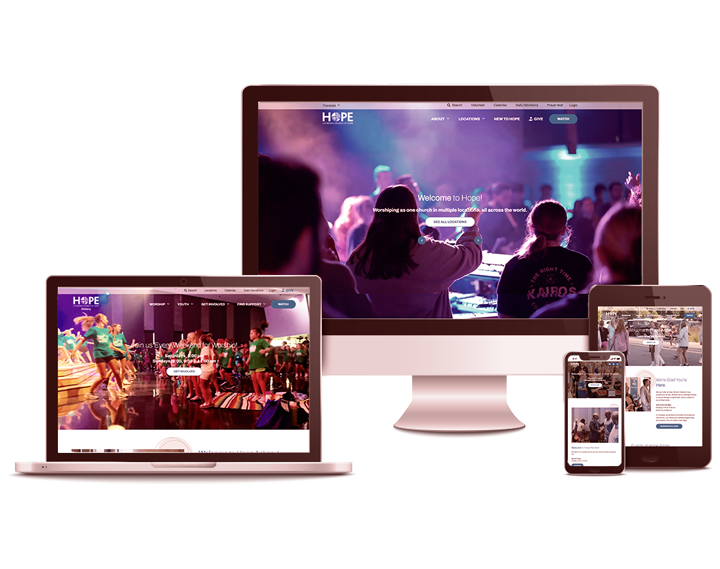
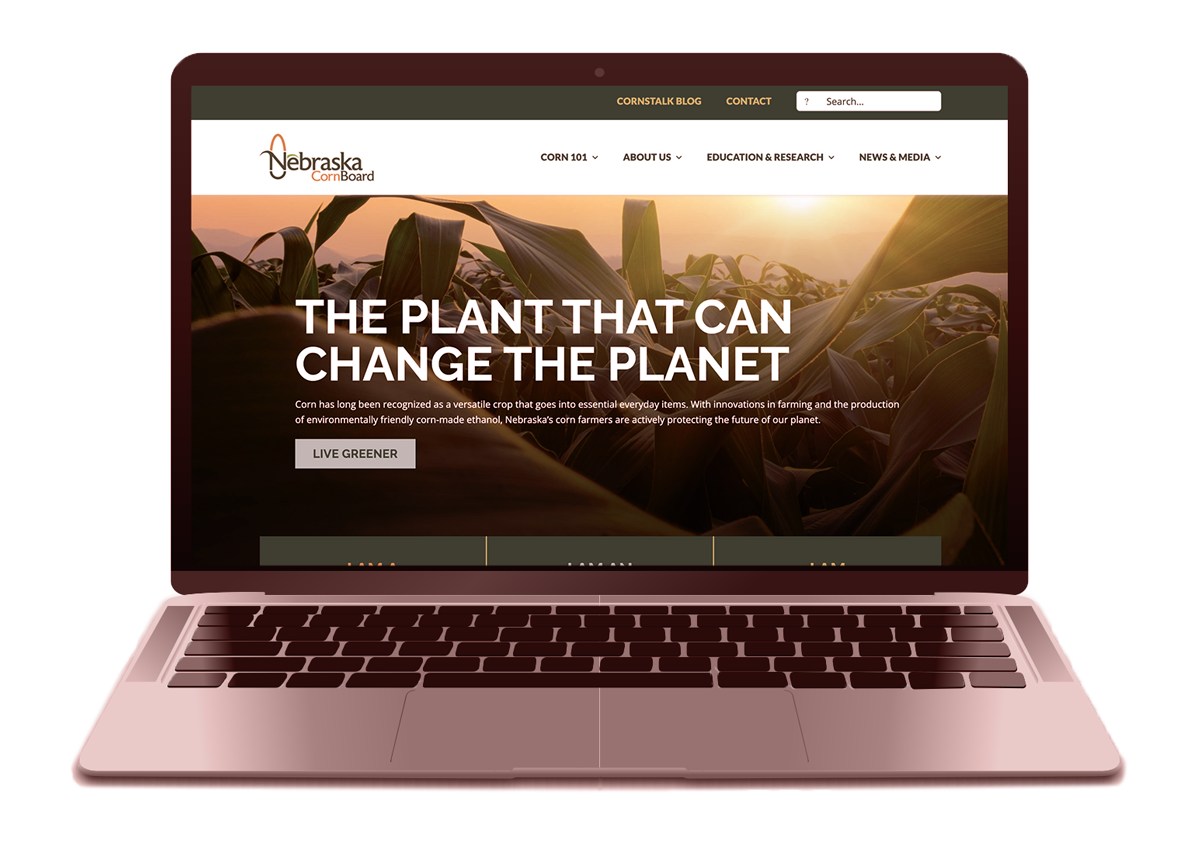
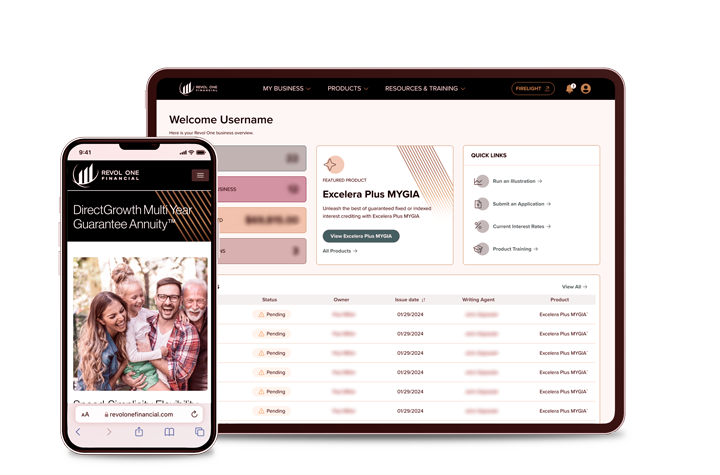
This project is a long-running, SEO-driven multi-site website program supporting HVAC dealers nationwide. Each site is built on a shared WordPress foundation and assembled using a modular set of components then customized with dealer-specific branding, imagery and content.
I’ve been the primary designer on the program since 2018, contributing across multiple major design iterations and platform rebuilds. Over time, the work evolved from individual visual designs into a scalable component-based system that allows the team to efficiently launch, update, and maintain hundreds of sites while preserving brand consistency and SEO performance. This case study highlights that system and how the team uses it.
Duration
• 2014 – 2025
Role
• Lead UX/UI Designer
• Design System
• User Research
Team
• 1 UX Designer
• 1 Project Manager
• 3 Client Managers
• 3 Web Advisors
• 3 Web Developers
• 2 Web Administrators
• 2 SEO Analysts
Tools
• Figma
• Adobe XD
• Adobe Illustrator
• Adobe Photoshop
• Lyssna
• Microsoft Excel
• WordPress
The Challenge
The core challenge was designing a scalable website system that allowed each HVAC dealer’s site to feel distinct—without sacrificing usability, SEO performance, or build efficiency.
Early designs were constrained by a proprietary CMS with limited editing capabilities and clients who often had minimal marketing assets of their own. The team supplied the majority of the content and imagery which increased the responsibility to design layouts that worked with sparse or inconsistent inputs. At the same time, sites needed to clearly elevate primary conversion actions—calling or scheduling service—while balancing frequent customization requests that sometimes conflicted with best practices.
As the program expanded to more than 150 sites and demands increased, the challenge evolved into designing a component-based system that enabled meaningful customization without increasing maintenance effort or undermining UX and SEO intent. The system needed to balance flexibility with guardrails, giving dealers a sense of ownership while remaining sustainable for the team long-term.
Discovery
As the program evolved and the design system became more established, research was introduced to validate assumptions and guide refinement without disrupting existing sites. Rather than rethinking the foundation, discovery efforts focused on improving usability within the constraints of a large, SEO-driven multi-site system.
These insights helped inform design optimization, content hierarchy and customization guardrails as the system continued to scale.
usability testing
Prior to the 2020 redesign, a survey of current customers and follow-up preference tests were conducted to validate navigation, labeling, and homepage hierarchy across the program.
Key survey insights and recommendations:
Key survey insights and recommendations:
- Reinforced the importance of persistent, highly visible CTAs—particularly the phone number.
- Confirmed the need to simplify navigation by focusing on a smaller set of core service categories.
- Simplifying choices reduced friction and made it easier for users to identify next steps.
Preference testing results:
- In two comparative preference tests against competitor sites, users consistently found our site structure, content hierarchy and overall usability clearer and easier to navigate.
of participants preferred our design over a competitor’s due to clearer structure and visual hierarchy.
Competitor analysis
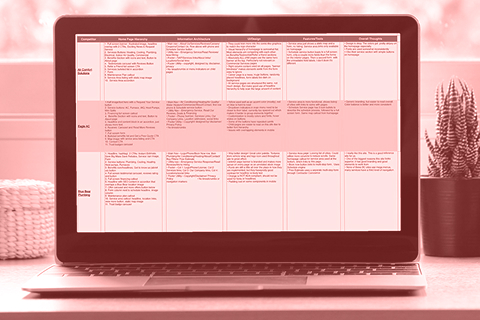
A competitive review of similar multi-site dealer programs was conducted to understand how other systems approach branding, customization, and usability at scale. The insights from this analysis informed design exploration and prioritization for 2025 updates, helping guide the evolution of the design system without requiring immediate or disruptive changes to the existing platform.
Key themes explored:
- How dealer programs use brand elements to create differentiation while maintaining consistency.
- Common patterns for handling lead-generation experiences across large site networks.
- Where customization appears to add value versus where it introduces complexity or inconsistency.
Design
Design efforts focused on creating a flexible, component-based system that could support long-term growth, ongoing SEO needs and meaningful customization across a large network of dealer sites. Instead of each redesign being a standalone effort, the work progressively evolved toward reusable patterns and guardrails that balanced consistency, usability and efficiency at scale.
The following highlights key phases in that evolution and how the system matured over time.
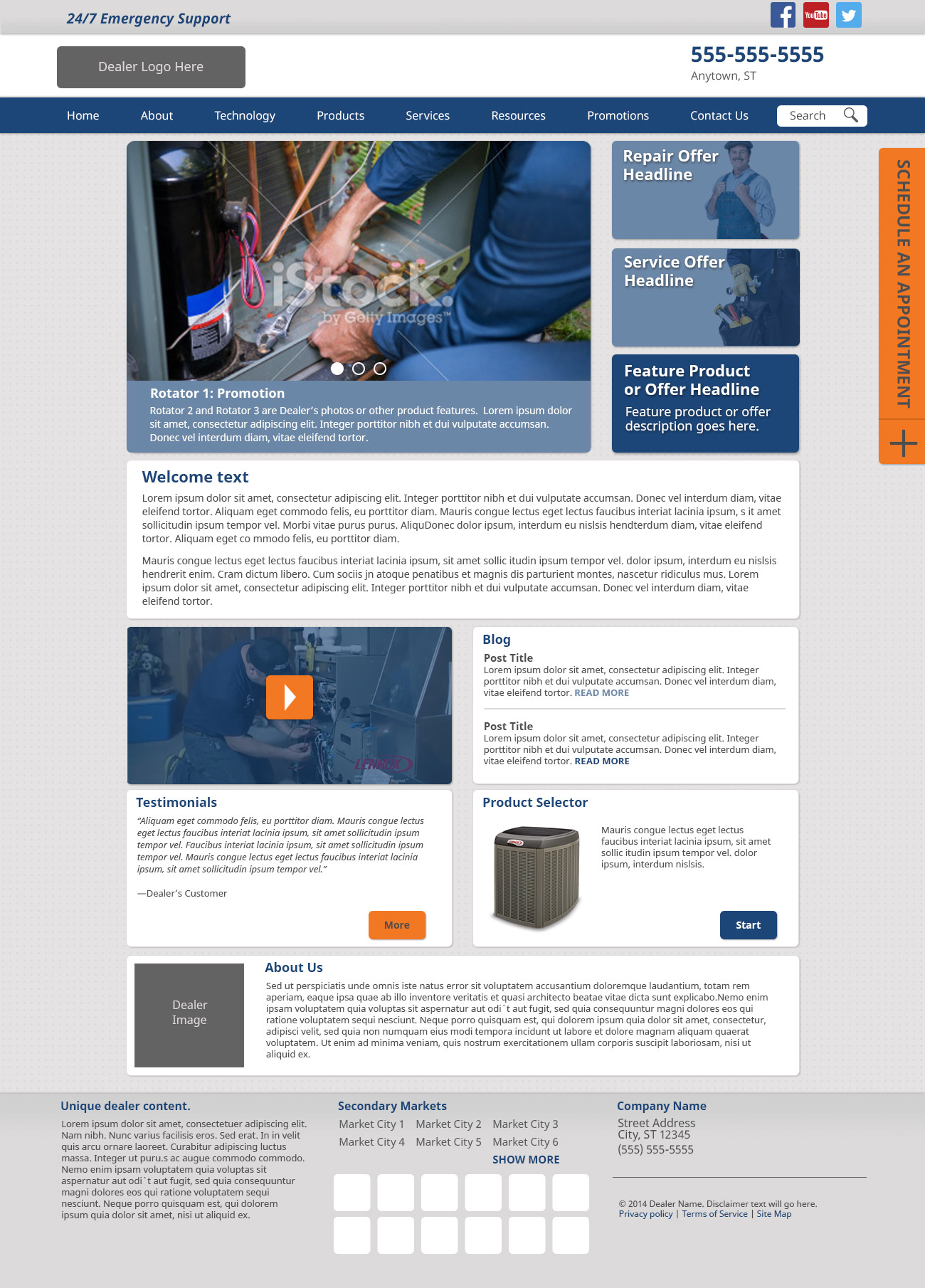
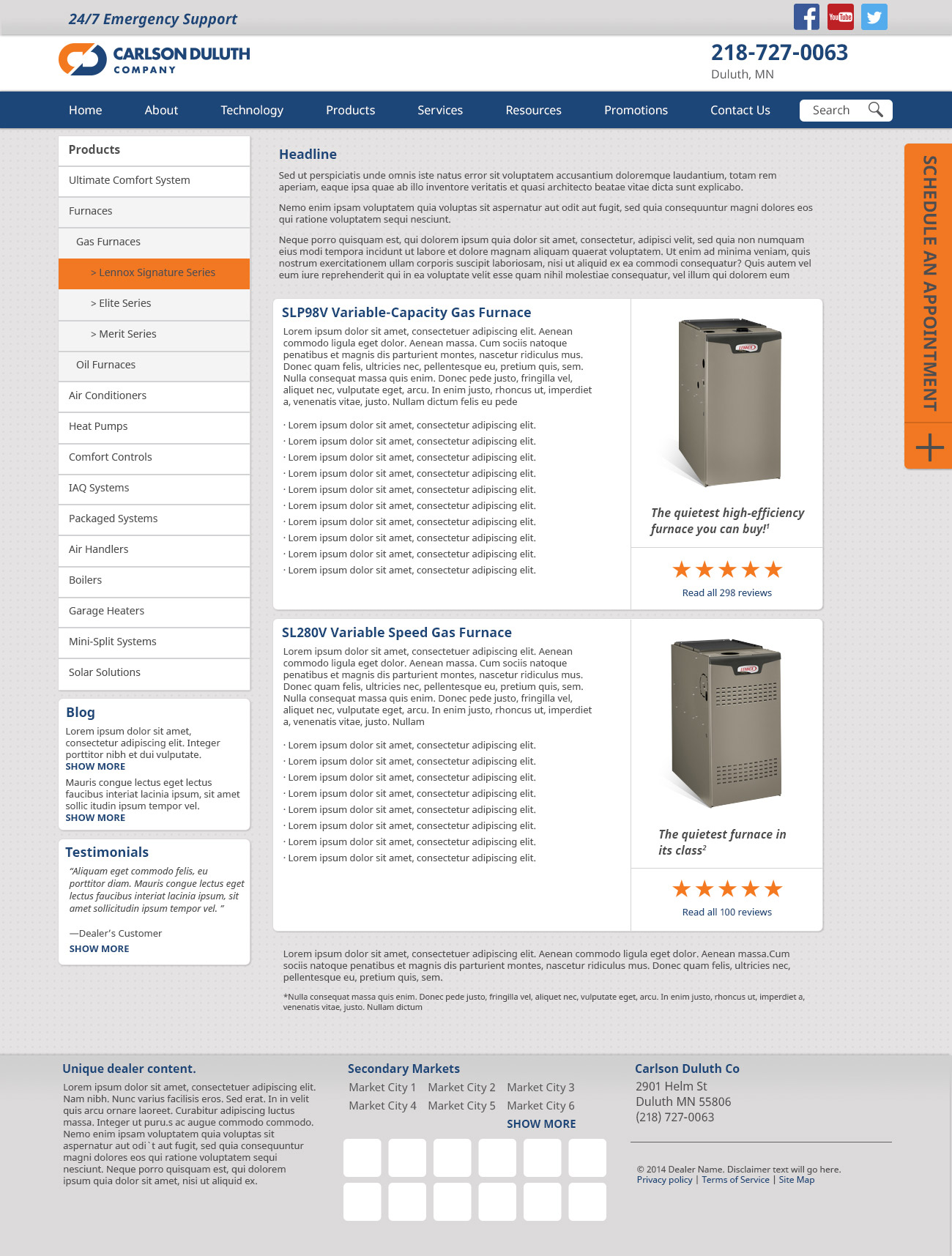
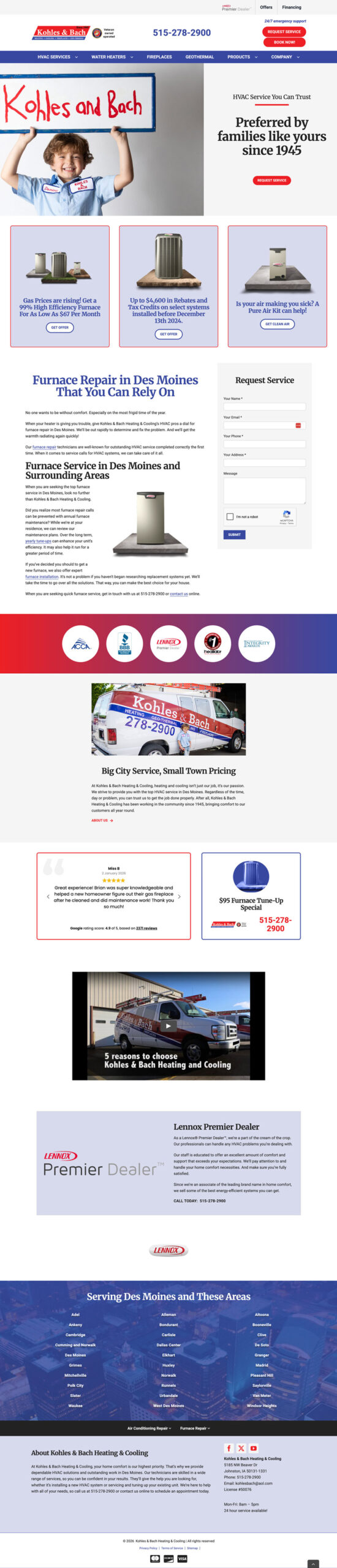
Foundational Templates
Early work focused on creating flexible page layouts that could support brand variation and conversion goals within tight CMS and content constraints.
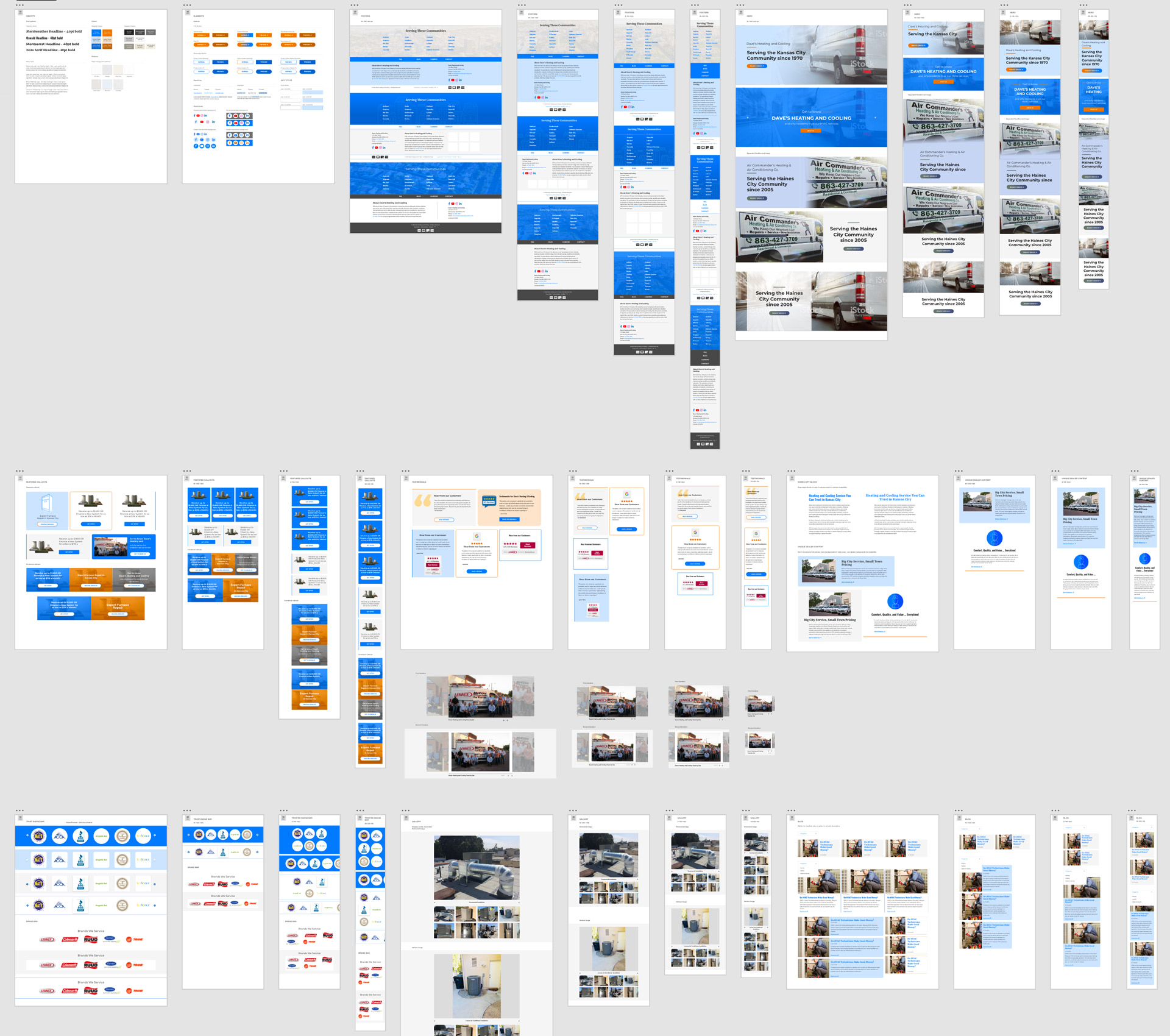
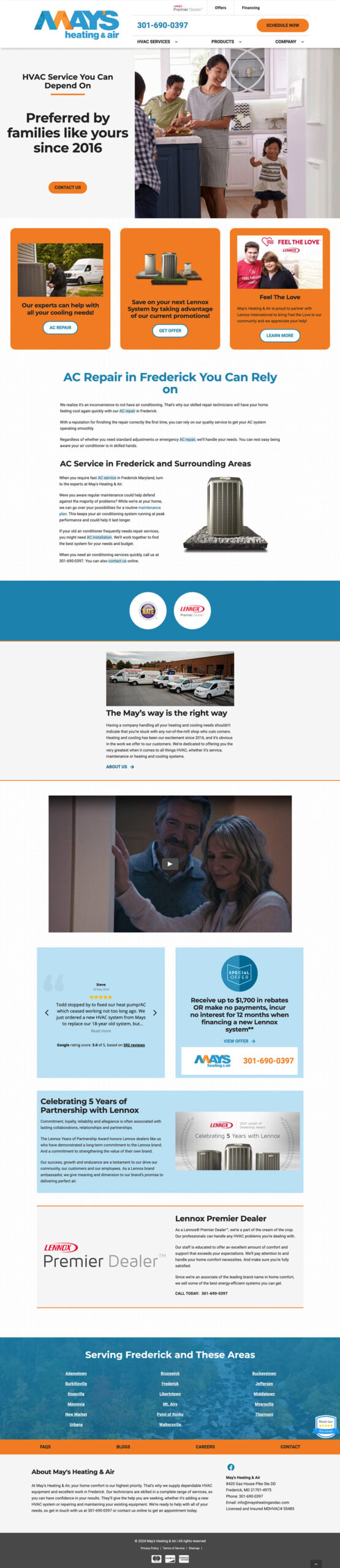
Componentization
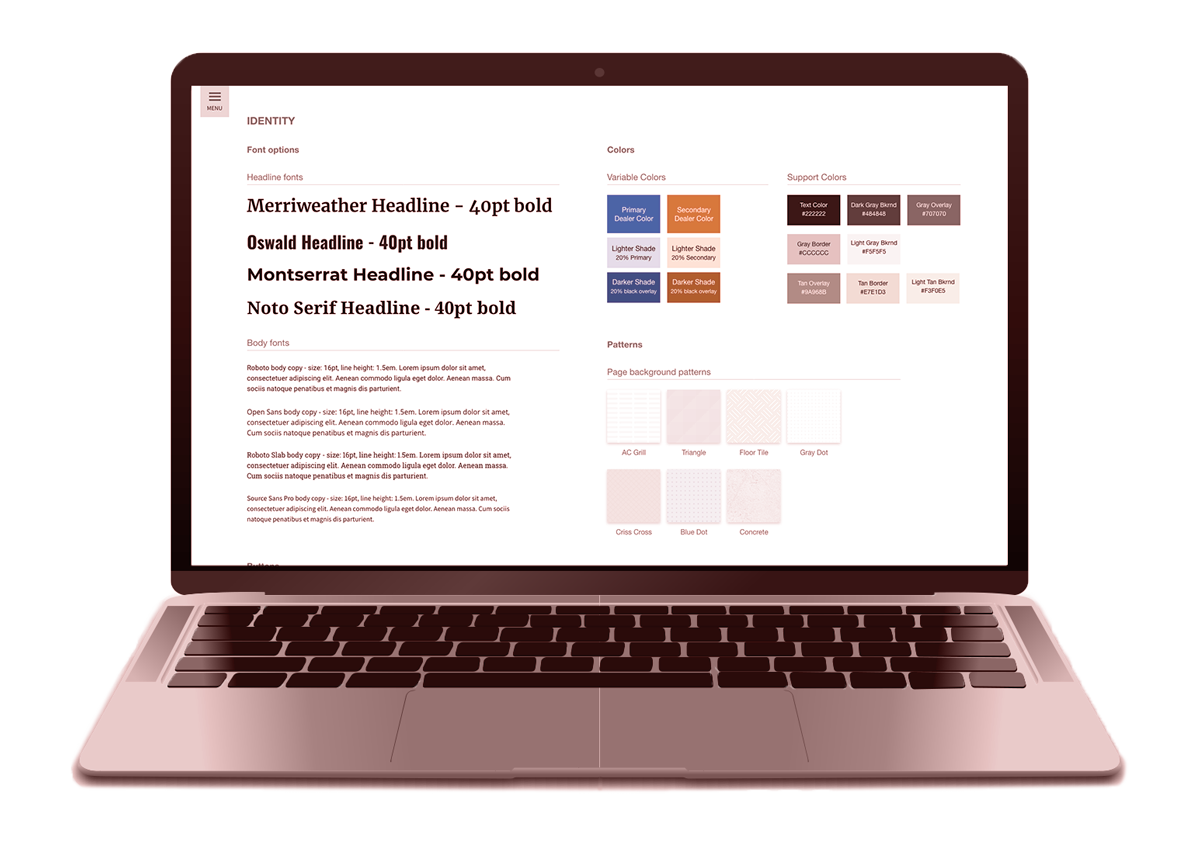
The system shifted from page-based design to a library of modular components designed to be mixed, matched, and branded consistently across a growing network of sites.
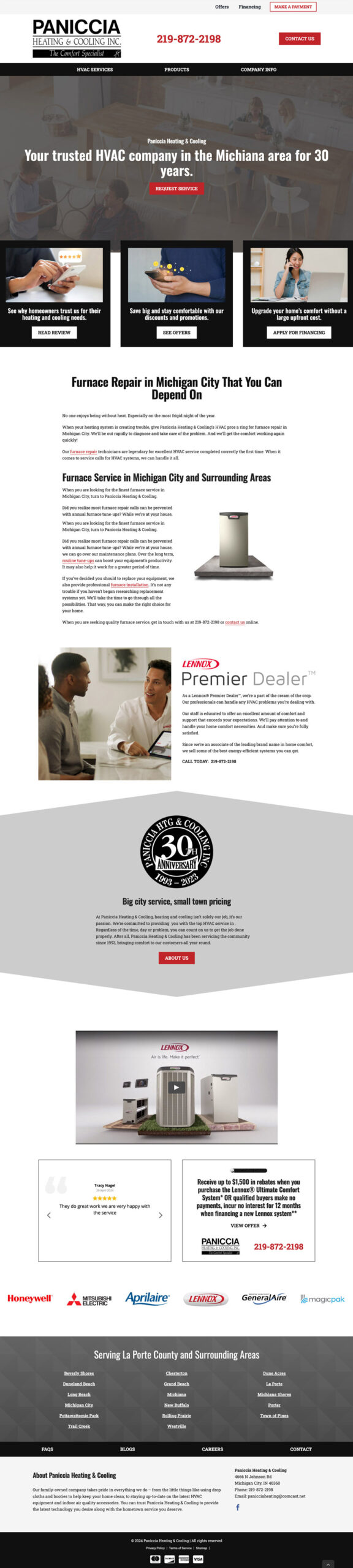
System Stabilization
The platform was rebuilt to support ongoing launches across many dealer sites, maintaining consistent structure while allowing for localized branding and content variation.
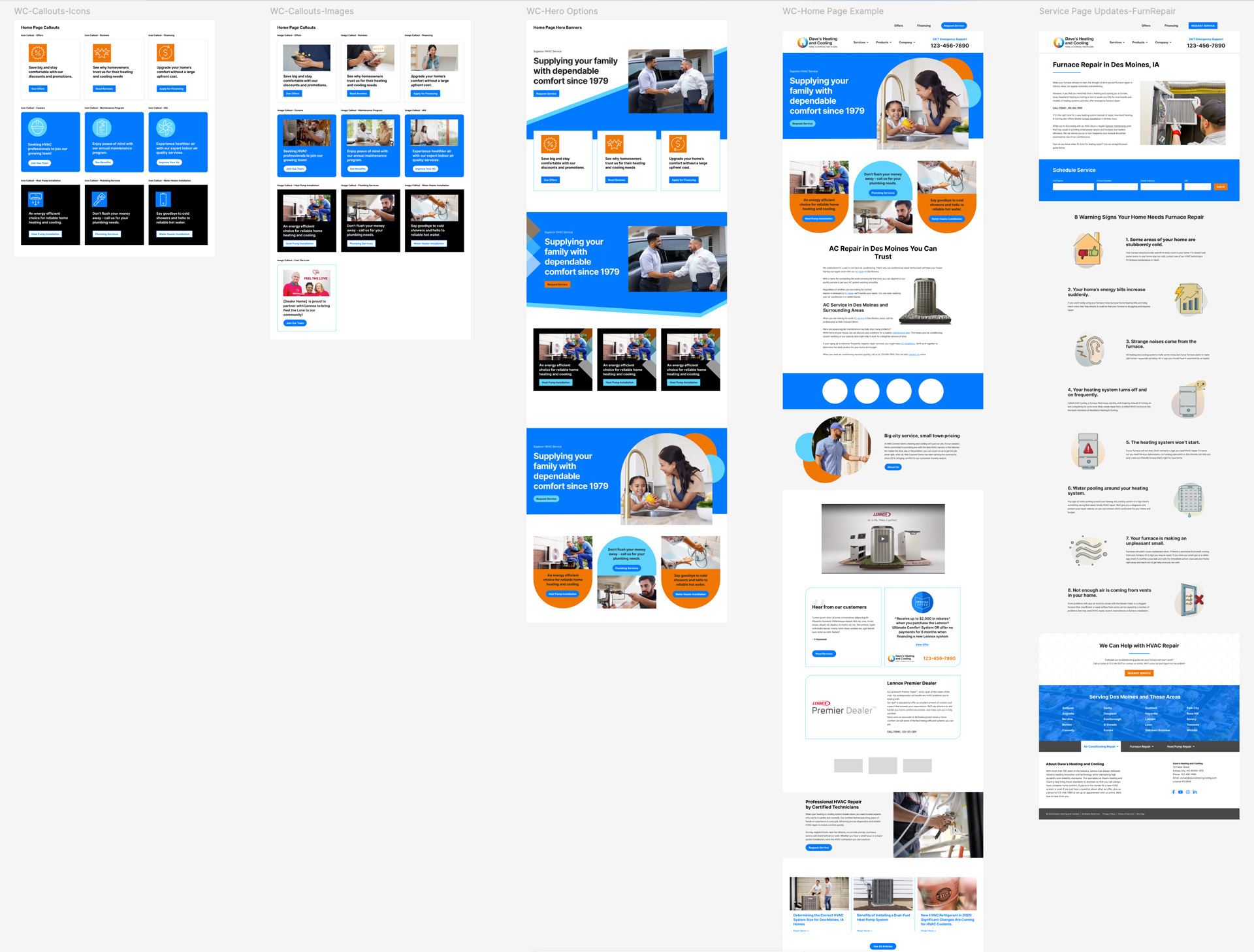
Ongoing Refinement
Rather than introducing wholesale changes, refinements focused on evolving individual components and layout patterns informed by research and ongoing program needs with little disruption to existing sites or workflows.
The Result
Over time, this work resulted in a durable system that supported both scale and longevity. By shifting from page-level designs to a component-based approach, the program was able to grow and adapt while maintaining consistency, usability, and SEO performance across a large network of dealer sites.
Key outcomes
- Established a scalable, component-based system used to build and maintain a large network of dealer sites over many years.
- Improved efficiency by reducing production time and design effort required to launch, customize, and update sites.
- Balanced brand consistency with meaningful customization, allowing dealer sites to feel localized without compromising usability or SEO intent.
- Supported long-term SEO performance through consistent content structure, hierarchy, and conversion patterns.
- Reduced design and maintenance overhead by providing clear guardrails for designers and the web maintenance team.